How is Sleeve Gastrectomy Applied?
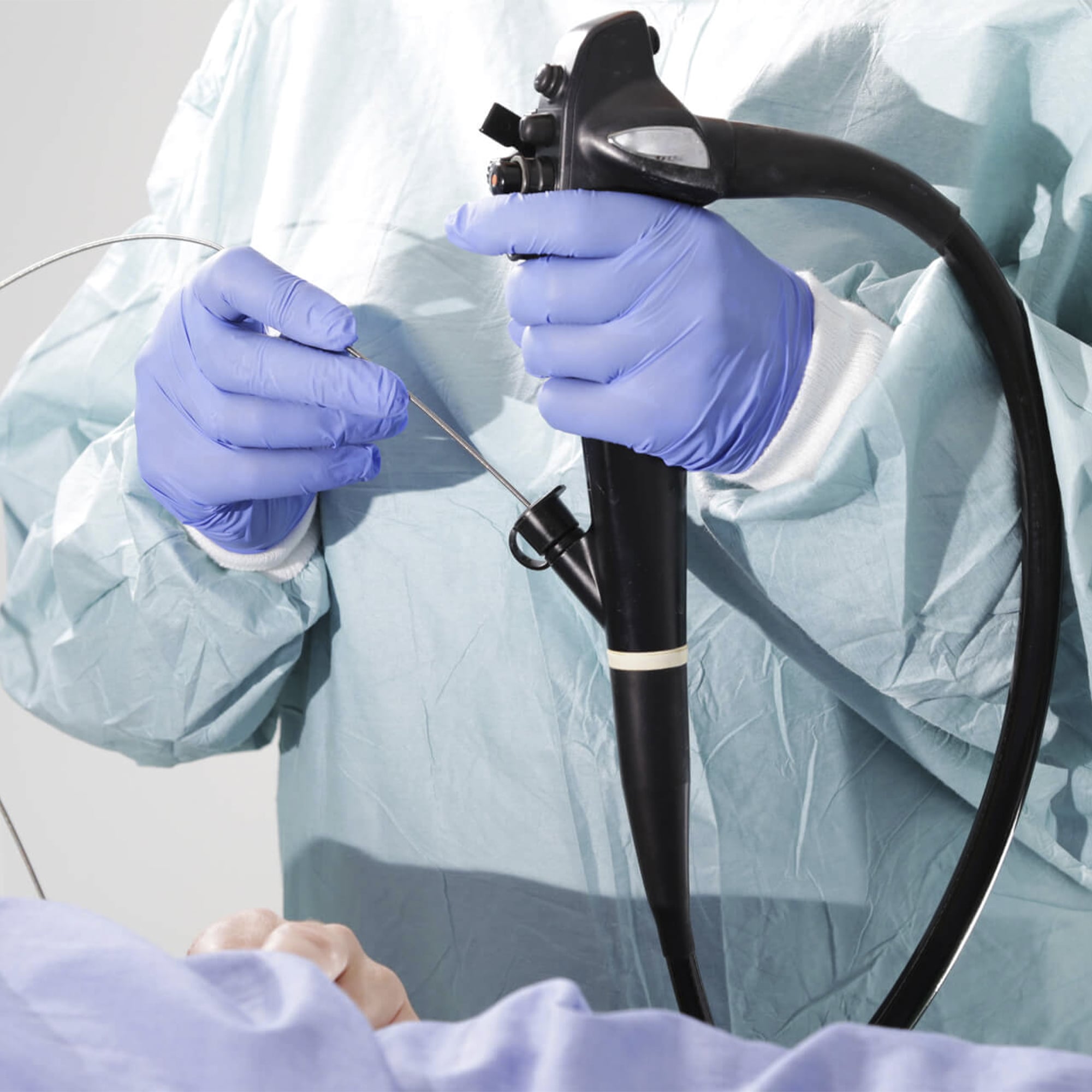
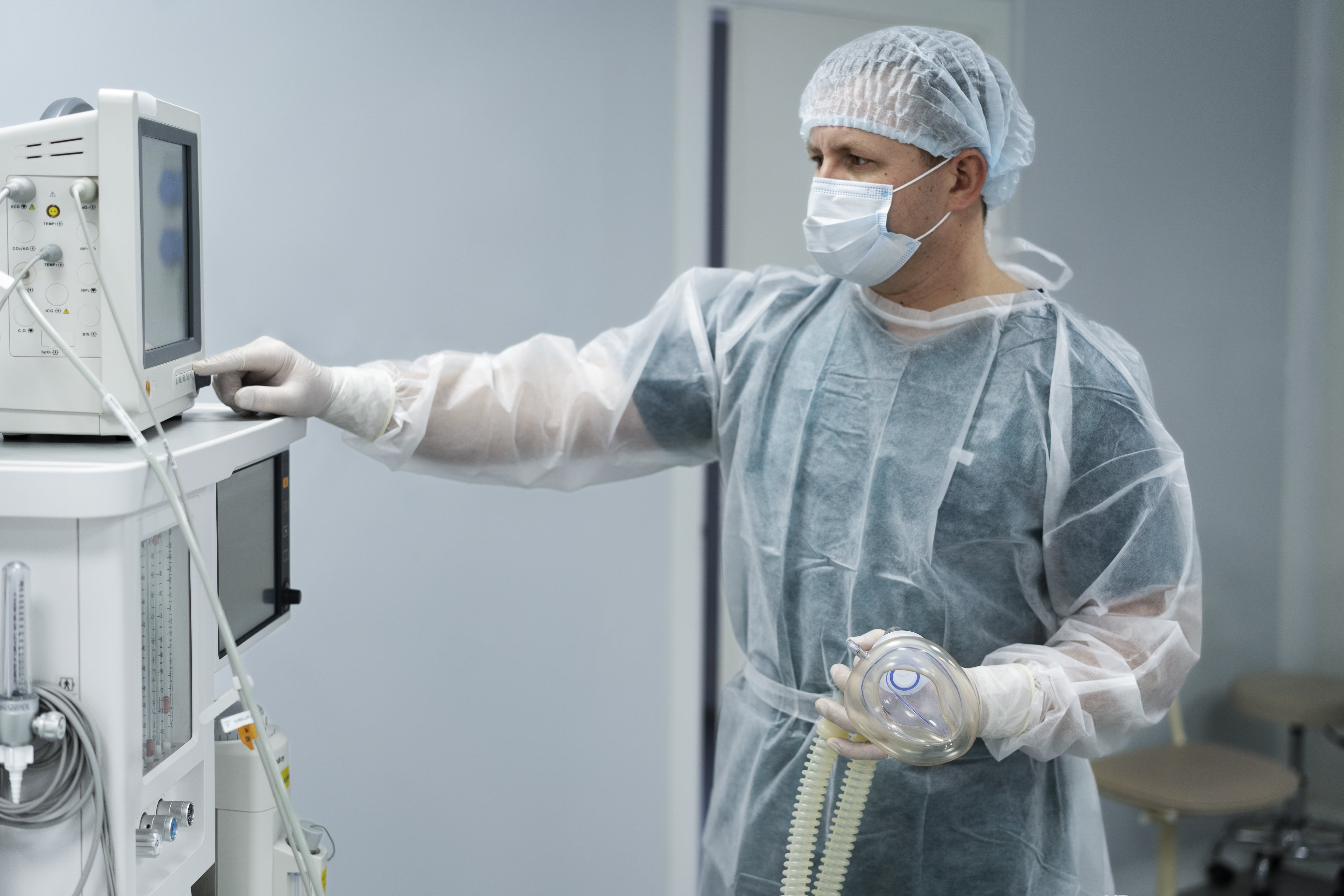
Sleeve Gastrectomy surgery is performed laparoscopically and the stomach is reduced to a thin tube shape. In this process, a large part of the stomach is removed, leaving only about 20% of it. The surgery is usually performed under general anesthesia and patients wake up in a few hours, then they can stay in the hospital for a few days.
Who is Sleeve Gastrectomy Suitable for?
Sleeve Gastrectomy surgery is suitable for individuals who have obesity problems and cannot lose weight with diet or exercise. It is generally preferred for people with a body mass index (BMI) of 40 and above or a BMI between 35-40 and who have health problems related to obesity. In addition, the patient's general health condition must be good. People for Whom Sleeve Gastrectomy Is Not Recommended Sleeve Gastrectomy is not recommended for people with certain health problems. This surgery may not be suitable for individuals with serious heart diseases, liver failure, stomach cancer or psychological disorders. In addition, the risk of complications may increase in people with active alcohol or drug addiction.
What are the advantages of Sleeve Gastrectomy?
Sleeve Gastrectomy is known for providing rapid weight loss and reduces the desire to overeat by limiting food intake. It also has a lower risk of complications than other weight loss methods. The success rate is quite high and in the long term, patients can see improvements in health problems such as heart disease and diabetes.

What kind of result does Sleeve Gastrectomy expect you to have?
After sleeve gastrectomy, rapid weight loss occurs with a correct diet and exercise program. This both improves physical appearance and has positive effects on general health. However, in order for weight loss to be sustainable, patients need to make permanent changes in their lifestyles.